
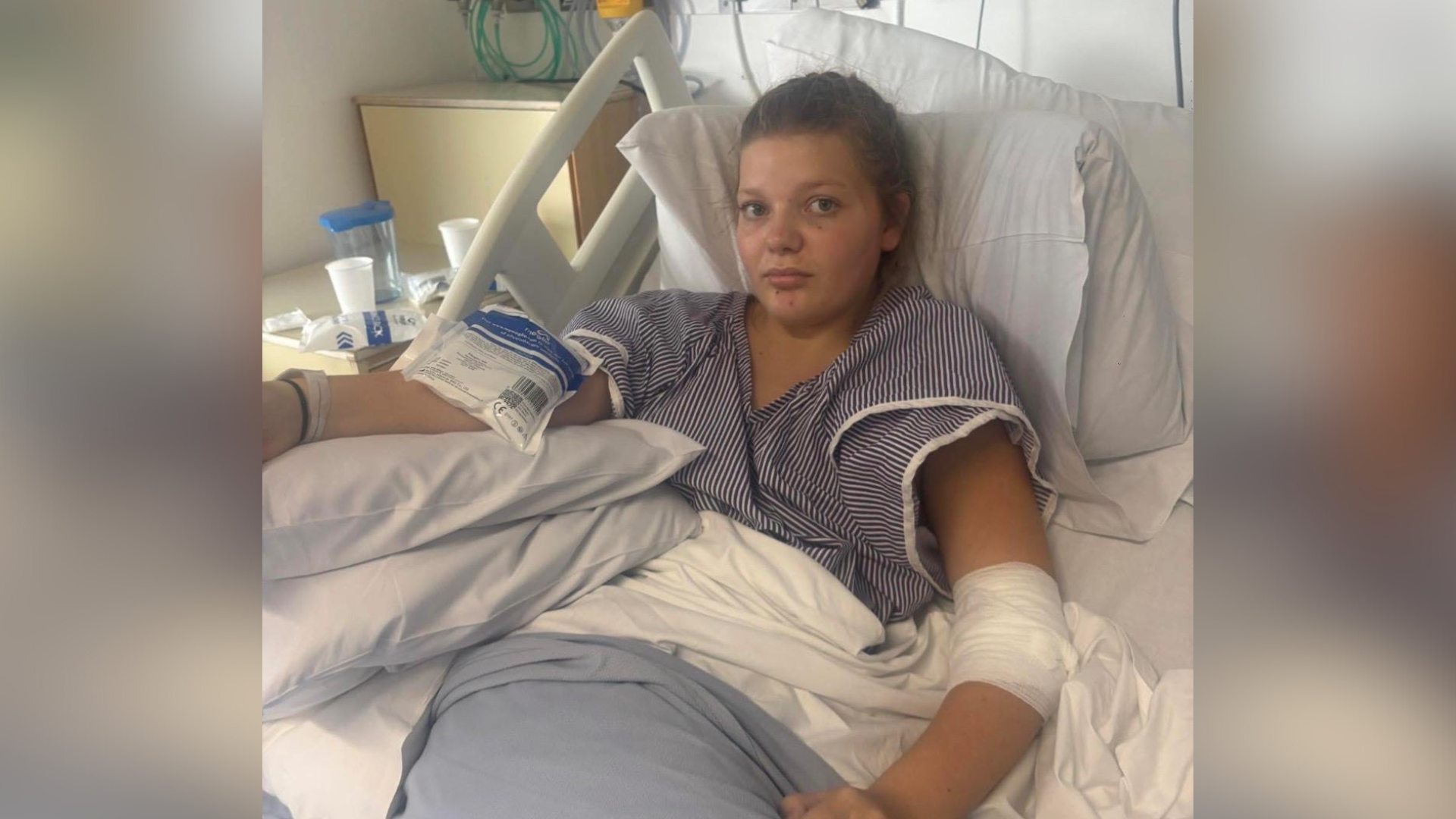
This long narrative highlights the hidden challenges faced by many people living with blood disorders, showing how each personal story reflects both the emotional and physical impact of managing a chronic condition while trying to maintain daily routines in a balanced and realistic way.
Why do personal stories matter?
When you listen to real patient experiences, you begin to understand where they struggle most in daily life. These stories add a human layer beyond clinical descriptions. A diagnosis affects more than the medical side of life and extends into social routines. For this reason, personal stories provide insight even for healthcare professionals. As a result of our editor’s reviews, many patients describe similar challenges but interpret them differently. Some focus on symptoms while others focus on emotional pressure. This variety helps shape the foundation of this article.
How does a diagnosis change daily routines?
A diagnosis can bring relief and fear at the same time. Relief comes from finally understanding the problem, while fear comes from future uncertainty. Real patient stories often mention that “my routine became more cautious.” This shows how treatment blends with daily life. According to our editor’s research, patients report the biggest changes in diet, energy management, and sleep habits. These adjustments may feel difficult at first but eventually become a new normal. Some say this structure adds discipline, while others feel overwhelmed by constant planning.
What emotional challenges do patients describe?
Many patients express uncertainty as the hardest emotional burden. Uncertainty increases the feeling of losing control. This is why some people feel more fragile during this period. Fatigue is another repeated theme in stories. This fatigue is both physical and emotional. Patients without support often struggle more. Many say treatment increases a sense of isolation. As a result of our editor’s reviews, emotional weight strongly affects social relationships. Some withdraw from others, while some seek more communication.
Why do support systems make such a difference?
Real stories clearly show the powerful effect of support systems. Those with family or friend support progress more positively. Support helps patients feel they are not alone. This creates a noticeable improvement in morale. According to our editor’s research, strong support improves treatment adherence. Attending appointments, taking medications regularly, and following lifestyle instructions become easier. Some patients find support in wider communities, while others rely on one trusted person. The quality of support matters more than the size.
How do patients describe physical limitations?
Physical limitations are one of the most common themes in personal accounts. Some patients struggle with simple tasks like climbing stairs. Others describe painful flare-ups as their biggest challenge. Energy levels can change rapidly throughout the day, making planning difficult. As a result of our editor’s reviews, patients often mention fluctuating strength as a major obstacle. Some feel strong in the morning but exhausted by afternoon. Others experience general low energy all day. Learning personal limits becomes an essential skill.
Where do patients find strength during treatment?
Patients describe many sources of strength. Some rely on family support, while others draw energy from medical guidance. Some find inner strength as they adapt. The phrase “I got to know myself better” appears frequently. According to our editor’s research, patients gradually build emotional resilience. This happens as they understand their own rhythm and tolerance. Treatment becomes a learning journey. Patients discover what improves their comfort and stability.
What lifestyle changes do patients commonly adopt?
Stories show that lifestyle shifts are a natural part of treatment. Diet becomes a central focus. Sleep quality and stress management are frequent concerns. Some patients find light exercise helpful, while others benefit from rest. As a result of our editor’s reviews, gradual adjustments work better than sudden drastic changes. Implementing too many changes at once can be overwhelming. Small steps lead to more sustainable outcomes.
How do real stories help other patients?
These stories offer hope to others facing similar challenges. Reading about shared experiences reduces feelings of loneliness. Patients feel stronger when they see others overcoming difficulties. This collective knowledge improves treatment motivation. According to our editor’s research, newly diagnosed patients benefit the most from these narratives. They help simplify a confusing medical process. Patients understand what may be possible and what others have learned. These stories also help professionals understand patient needs more deeply.
Why is acceptance an important turning point?
Most patients emphasize the importance of acceptance. Acceptance does not mean giving up. It means identifying areas of control. Once acceptance begins, emotional stability increases. Treatment also becomes easier to embrace. As a result of our editor’s reviews, patients who reach acceptance show increased psychological resilience. Relationships also improve as they learn to express needs clearly. This leads to a higher quality of life.
What do patients want others to understand?
Many patients say understanding is the greatest support. They deal with challenges that may not be visible. For this reason, they expect empathy. Patients often say “I just need to be heard.” Empathy gives space for expression. According to our editor’s research, patience and understanding are the two qualities patients value most. These qualities make recovery feel safer and more manageable.