
The Vital Role of Hematologists in Healthcare
Hematologists play a crucial role in the management of blood-related health problems. These specialists focus on the diagnosis, treatment and prevention of blood-related diseases. By understanding the basic work of hematologists, you can better appreciate the importance of regular blood health checks. According to the American Society of Hematology (ASH), early detection of blood disorders can significantly improve treatment outcomes.

Why Regular Hematologist Visits Could Save Your Life?
Regular visits to a hematologist are essential to maintain optimal blood health. Hematologists use advanced diagnostic tools to detect abnormalities early, which is crucial to prevent serious health complications. The National Heart, Lung and Blood Institute (NHLBI) explains that regular screenings can help detect conditions such as anemia, clotting disorders and blood cancers before they become life-threatening.
Vital Role of Hematologists in the Treatment
Hematologists are not just doctors; they are specialists who understand the complexity of blood disorders. From managing common conditions such as iron deficiency anemia to treating rare diseases such as hemophilia, hematologists are equipped with the expertise needed to provide comprehensive care. WHO emphasizes the importance of specialized care in the effective management of chronic blood disorders.
Hematologists’ Impact on Cancer Treatment and Management
Hematologists are crucial in the treatment of blood cancers such as leukemia, lymphoma and myeloma. These specialists work closely with oncologists to develop and implement personalized treatment plans. According to the American Cancer Society (ACS), collaboration between hematologists and oncologists is vital for achieving the best possible outcomes in cancer treatment.
How Hematologists Diagnose and Manage Anemia?
Anemia is a common blood disorder that hematologists often diagnose and treat. Through comprehensive blood tests and patient assessments, hematologists identify the underlying causes of anemia and recommend appropriate treatments. The Mayo Clinic notes that early intervention by a hematologist can prevent the progression of anemia and improve a patient’s quality of life.
The Role of Hematologists in the Treatment of Blood Coagulation Disorders
Blood clotting disorders, such as deep vein thrombosis (DVT) and pulmonary embolism (PE), require specialized care from hematologists. These specialists use advanced treatments to manage clotting disorders and prevent complications. The Centers for Disease Control and Prevention (CDC) emphasizes the importance of seeking care from a hematologist for effective management of clotting disorders.
Exploring Advanced Diagnostic Techniques Used by Hematologists
Hematologists use a variety of advanced diagnostic techniques to assess blood health. From complete blood counts (CBC) to bone marrow biopsies, these specialists rely on the latest technology to make accurate diagnoses.
Cleveland Clinic states that these advanced diagnostic methods are essential to effectively detect and treat blood disorders.
Why You Should Trust a Hematologist with Your Blood Health?
Trusting a hematologist with your blood health means entrusting your care to an expert with extensive training and expertise in blood disorders. Hematologists undergo rigorous education and training to become experts in their field. The National Institutes of Health (NIH) underscores the critical role hematologists play in advancing our understanding and treatment of blood disorders.
Benefits of Personalized Care from a Hematologist
Personalized care is the hallmark of hematology. Hematologists tailor treatment plans to meet the unique needs of each patient, taking into account factors such as age, medical history and lifestyle. The Journal of Hematology & Oncology reports that personalized treatment plans lead to better health outcomes and improved patient satisfaction.
How Hematologists Collaborate with Other
Specialists for Comprehensive Care?
Hematologists often collaborate with other specialists to provide comprehensive care for patients with complex health problems. This multidisciplinary approach ensures that all aspects of a patient’s health are addressed. The American College of Physicians (ACP) emphasizes the importance of collaboration between hematologists and other healthcare providers in providing high-quality care.



Contents

How Chronic Illness Gradually Affects Your Blood Health
Living with a long term condition often changes daily routines but many people overlook how deeply chronic illness can affect blood health over time. Have you ever wondered why fatigue[…]
Read more
Pediatric Hematology: Caring for Young Patients
Supporting young patients through pediatric hematology requires gentle communication, careful clinical judgment, and steady emotional awareness because families often face uncertainty while navigating complex conditions that begin early in life[…]
Read more
Living With a Blood Disorder: Real Patient Stories
This long narrative highlights the hidden challenges faced by many people living with blood disorders, showing how each personal story reflects both the emotional and physical impact of managing a[…]
Read more
Rare Blood Disorders and Their Management
Parental concerns, unexpected symptoms or everyday fatigue frequently lead families to discover rare blood disorders that were hiding behind simple complaints. Many patients only recognise these conditions after several doctor[…]
Read more
Nutrition for People With Sickle Cell Disease
A mother once told me how her teenage son with sickle cell disease felt exhausted even after light activities, and it reminded me how nutrition often becomes a quiet but[…]
Read more
Blood-related side effects of chemotherapy
When chemotherapy targets fast dividing cells, blood counts can fall, infection risks climb, bruising shows up, and simple daily habits become protective anchors through treatment. You might notice tired legs[…]
Read more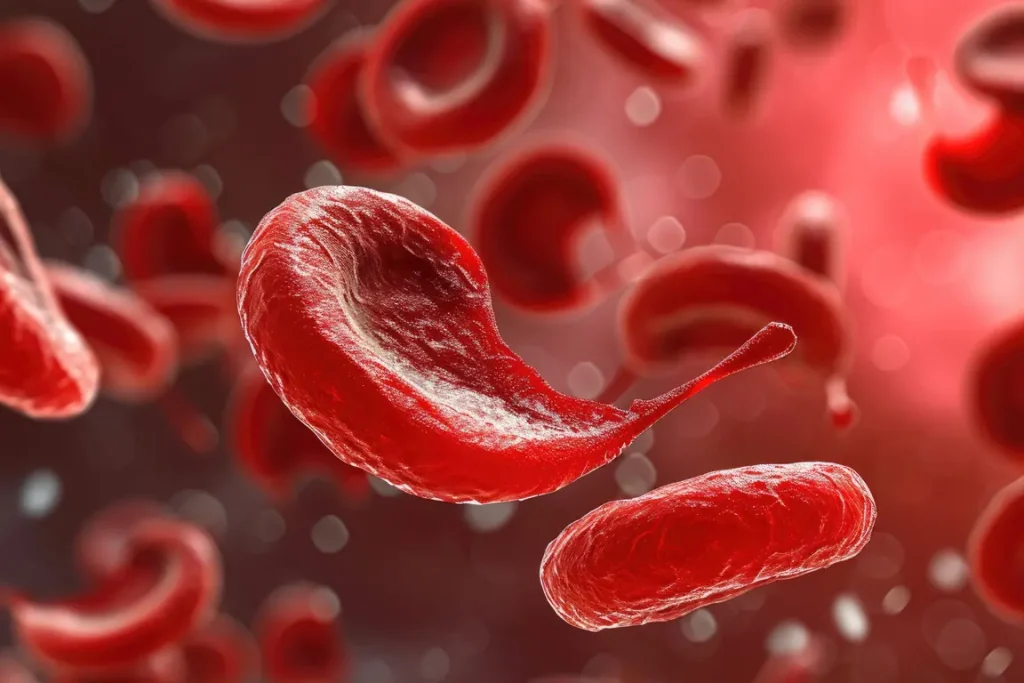
Understanding the Genetics Behind Blood Disorders
The intricate and often baffling world of blood disorders is intrinsically woven into the fabric of human genetics. Far from being random occurrences, a substantial number of hematological conditions—those affecting[…]
Read more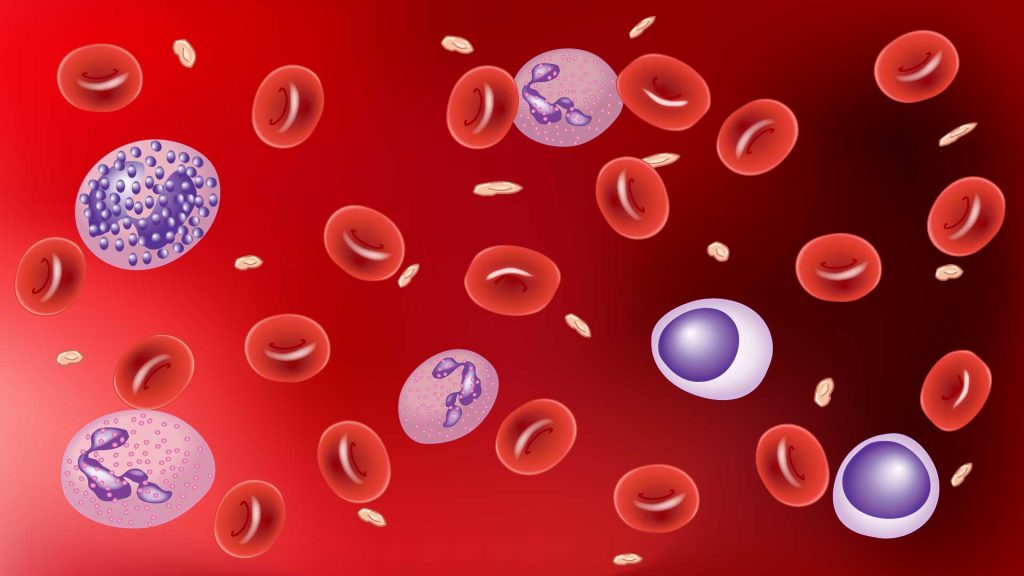
Hematology and Oncology: How They Overlap
The convergence of hematology and oncology into a single, integrated medical subspecialty is not a coincidence driven by administrative convenience, but rather a reflection of the deep biological and clinical[…]
Read more
Managing Blood Disorders During Pregnancy
The landscape of pregnancy introduces a cascade of physiological shifts, many of which profoundly—and sometimes unpredictably—impact the hematologic system. What begins as the body’s magnificent adaptation to nurturing a new[…]
Read more